
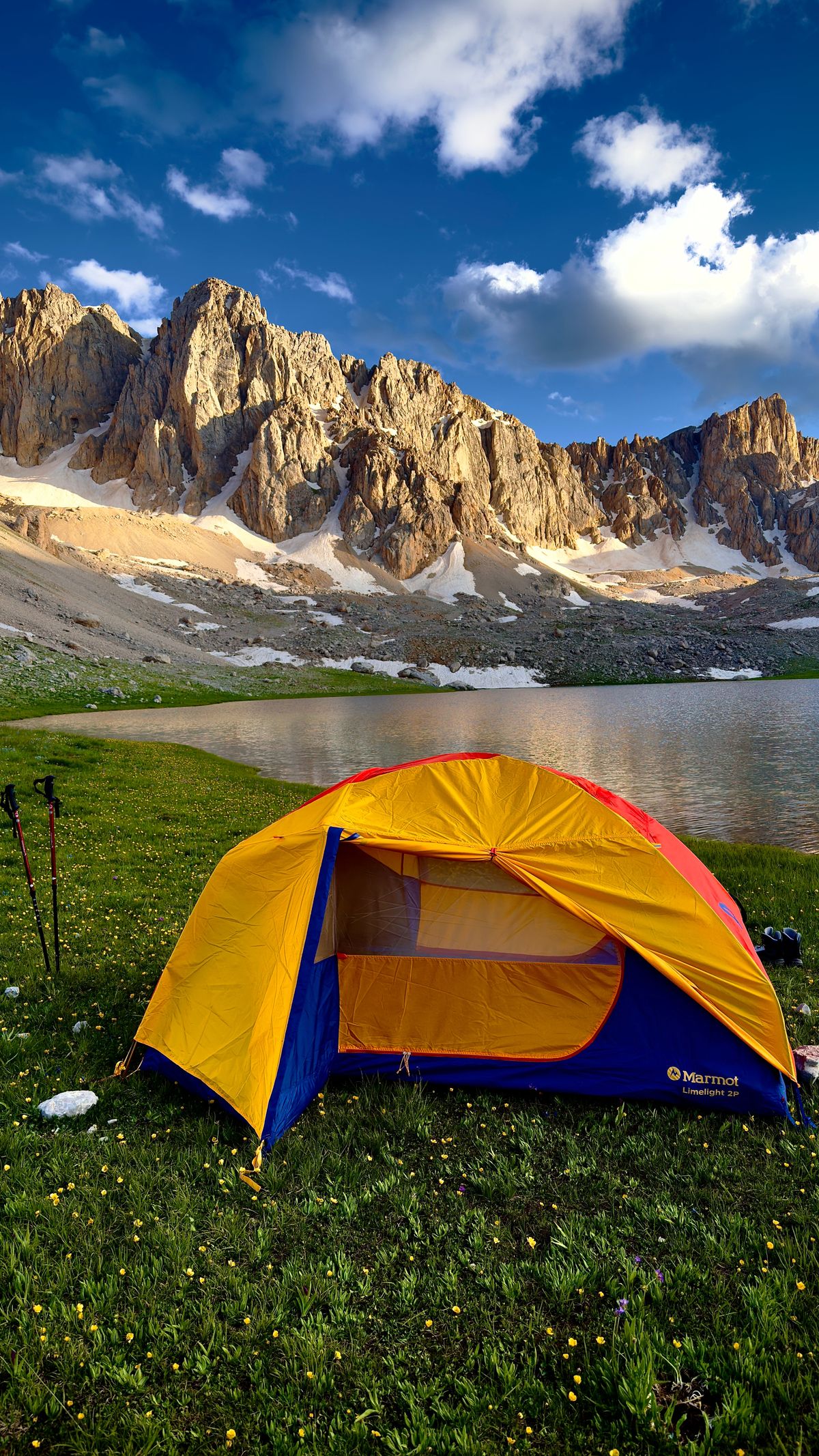
Colorado's population has grown quickly, and so has the number of people camping on its public lands. Popular dispersed areas near the Front Range have been closed or converted to designated sites after years of trash, human waste, new fire rings and trampled vegetation. The Leave No Trace framework is the shared standard land managers use, and following it is the most practical way to keep places open. The principles below are those published by the Leave No Trace Center for Outdoor Ethics; the Colorado notes are ours.
1. Plan ahead and prepare
Most impact problems start with poor planning. In Colorado that means checking a few things every time:
- Who manages the land, and whether you need a reservation or permit. See our reservations and permits guides.
- Current fire restrictions, which change often in summer and fall.
- Whether food storage containers are required, as in the Maroon Bells-Snowmass Wilderness and Rocky Mountain National Park's wilderness.
- The weather, especially afternoon thunderstorms above treeline.
- A backup site if your first choice is full, so you are not tempted to create a new one.
2. Travel and camp on durable surfaces
Durable surfaces include established trails and campsites, rock, gravel, dry grass and snow. Colorado has two especially fragile surfaces:
- Alpine tundraPlants above treeline grow slowly in a very short season. A few footsteps off-trail can leave marks that last for years. Stay on trails and rock.
- Desert soil crustOn the Western Slope, the dark, knobby crust on sandy soil holds the ground together and takes decades to recover once crushed. Walk on rock, washes or existing paths.
When camping, use an existing site rather than clearing a new one. Keep your camp compact, and in popular areas concentrate use in the already-impacted area. In remote places with no established sites, spread out and move camp often so no new site forms.
3. Dispose of waste properly
"Pack it in, pack it out" applies to everything, including food scraps, fruit peels and micro-trash like bottle caps and twist ties. For human waste, use a toilet where one exists. Otherwise dig a cathole six to eight inches deep, at least 200 feet from water, trails and camp, and cover it well. Pack out toilet paper in a sealed bag. In high-use areas and narrow canyons, carrying a portable waste bag system is the better choice.
Wash dishes and yourself at least 200 feet from lakes and streams, use small amounts of biodegradable soap, and scatter strained gray water.
4. Leave what you find
Leave rocks, plants, antlers and artifacts where they are. In southwest Colorado, archaeological sites and artifacts are protected by federal law. Avoid building structures, digging trenches around tents or stacking rocks. Take photos instead of souvenirs.
Moving firewood can spread insects and diseases; Colorado forestry officials advise buying firewood near where you will burn it.
5. Minimize campfire impacts
Use a stove for cooking; it works during most fire restrictions and leaves no scar. If fires are allowed and you choose to have one, use an existing fire ring or campground grate, keep it small, burn only small dead and down wood or purchased local wood, and put it dead out. Some wilderness areas ban fires permanently in certain zones, such as east of the Continental Divide in the Indian Peaks Wilderness. Our fire restrictions guide explains how to check.
6. Respect wildlife
Watch animals from a distance and never feed them. Human food harms wildlife and teaches animals like bears, foxes, jays and marmots to associate people with meals, which often ends badly for the animal. Store food and scented items securely day and night; CPW's campsite guidance recommends locking food in a hard-sided vehicle or using provided bear lockers, and keeping cooking and sleeping areas well apart. Keep dogs leashed and under control, especially near moose, which can be aggressive toward dogs.
7. Be considerate of other visitors
Keep noise down, especially during quiet hours, yield on the trail and give other campers space. Pick a site out of sight of others when you can. Generators, music and bright lights carry far in the mountains. Leave the campsite cleaner than you found it.
A quick Leave No Trace checklist for Colorado
- Checked land manager, permits and fire restrictions.
- Packed trash bags and a waste kit or trowel.
- Brought a stove and enough fuel.
- Brought a bear-resistant container if required, or a plan to lock food in the car.
- Chosen a backup campsite in case the first is full.
- Planned to be off exposed ridges before afternoon storms.
Winter counts too
Leave No Trace has winter-specific guidance: camp on snow rather than exposed vegetation, pack out human waste where it cannot be buried, and give wildlife extra room when animals are already stressed by cold and deep snow.
Frequently asked questions
What are the seven Leave No Trace principles?
Plan Ahead and Prepare; Travel and Camp on Durable Surfaces; Dispose of Waste Properly; Leave What You Find; Minimize Campfire Impacts; Respect Wildlife; and Be Considerate of Other Visitors.
How far from water should you camp in Colorado?
Leave No Trace recommends camping at least 200 feet from lakes and streams where possible. Many Colorado national forests set a legal minimum of 100 feet for dispersed camps, and some wilderness areas require more, so follow whichever rule is stricter.
What should I do with human waste when dispersed camping?
Use a toilet where one exists. Otherwise, dig a cathole six to eight inches deep at least 200 feet from water, trails and camp, and cover it afterward, or use a portable waste bag system. Pack out toilet paper and hygiene products.
Is it okay to stack rocks or build cairns?
Leave No Trace discourages building rock stacks. They disturb habitat and can confuse hikers who rely on official cairns for navigation, particularly above treeline.
Sources
Checked against official agency sources in October 2026. Fees, reservation windows, fire orders and closures change often; the agency pages linked above are always the final word. See how we research.