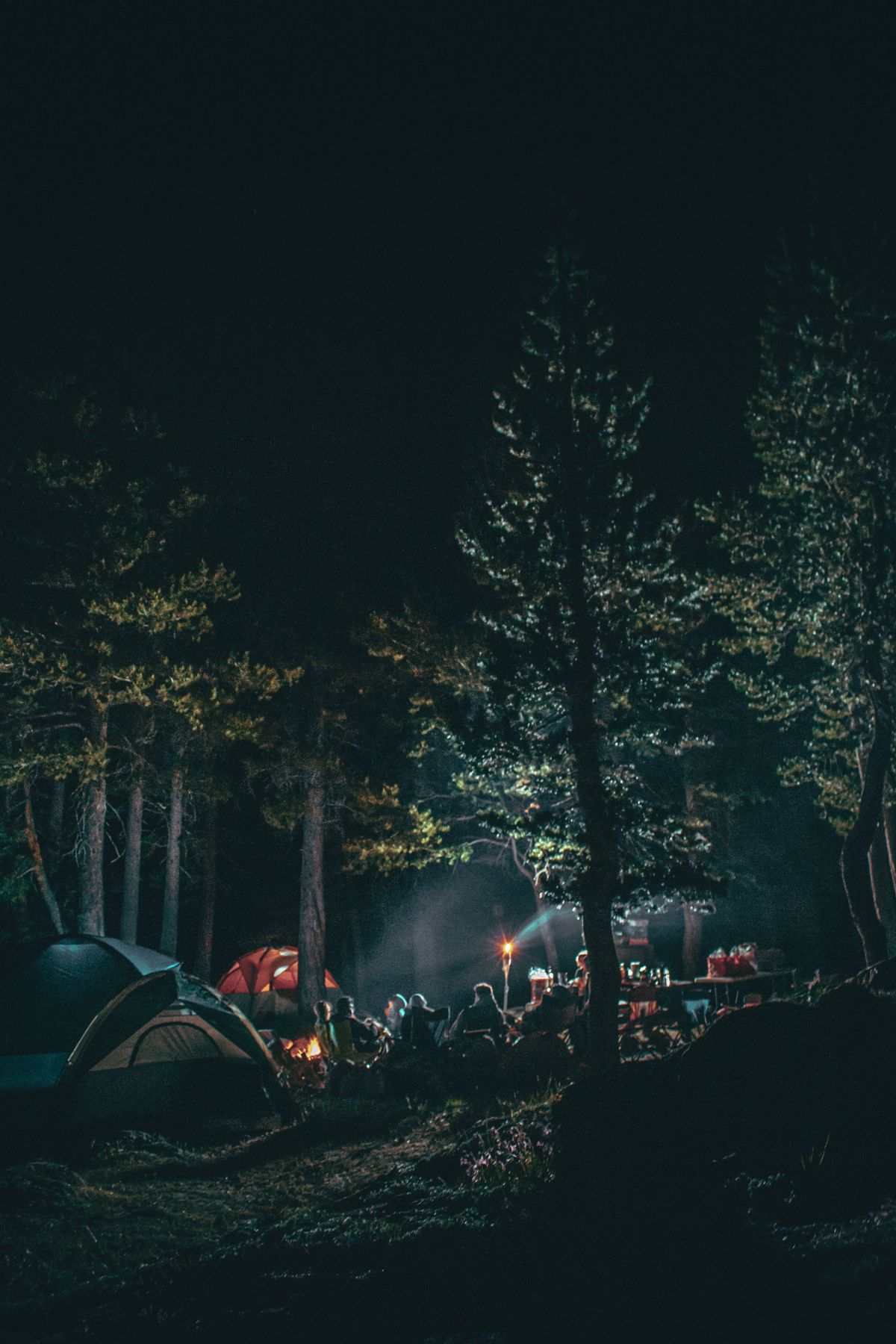
Black bears live across much of Colorado's forested country, from the foothills west of Denver to the San Juan Mountains. They are usually shy and avoid people, but they have an extraordinary sense of smell and spend much of the year looking for easy calories. In late summer and fall, as they fatten up for winter, they become especially persistent. Colorado Parks and Wildlife reported an above-average number of bear conflicts and sightings in 2025. A campsite with food left out is an invitation.
Know your bear
- SpeciesColorado has black bears only. Despite the name, many are brown, cinnamon or blond.
- BehaviorMost bears flee from people. Bears that have found human food lose that fear and can damage cars, tents and coolers.
- SeasonBears are active from spring to late fall, with the most food-seeking from late summer into autumn.
- SignsScattered trash, fresh tracks or scat and freshly clawed trees mean a bear has been nearby.
Car camping and developed campgrounds
Colorado Parks and Wildlife's campsite guidance is the standard to follow:
- Lock it up. Keep food, drinks and toiletries in airtight containers locked in a trunk or hard-sided vehicle with the windows closed.
- Use the lockers. Where campgrounds provide bear-proof lockers, use them and make sure the latches are fully closed.
- Never in the tent. Coolers and food should never be in your tent or anywhere wildlife can see, smell or reach them.
- Cook away from where you sleep. CPW recommends keeping the eating, cooking and food storage area at least 100 yards from your sleeping area where possible, and cleaning up immediately after meals.
- Handle trash carefully. Use bear-proof trash containers. If they are full, double-bag trash and lock it in your vehicle. Do not bury garbage or burn food waste in the fire ring.
- Leave strong smells at home. CPW notes that very odorous foods such as tuna, sausage and bacon attract bears, and citronella products, especially burning candles, can attract them too.
Small things count
Gum, lip balm, sunscreen, toothpaste, insect repellent and even a wrapper in a door pocket can draw a bear. Keep every scented item stored with your food, and do not sleep in the clothes you cooked in.
In the backcountry
Bear-resistant canisters
Two of the most popular backpacking areas require them. Rocky Mountain National Park requires approved bear-resistant canisters for all wilderness overnights, and you show yours when picking up your permit. The White River National Forest requires all backpackers in the Maroon Bells-Snowmass Wilderness to store food, trash and scented items in an approved container, and visitors without one can be ticketed and told to leave. A canister must hold everything scented, including toiletries and dog food.
Where canisters are not required
CPW's backcountry guidance is to hang food at least 100 feet from your campsite and to keep food out of your tent. Many Colorado forests have few suitable branches, especially above treeline, which is why many backpackers carry a canister anyway. Store canisters on the ground well away from your tent and away from cliffs or water where a bear could roll them.
Choosing a site
Move on if you see signs of recent bear activity, and avoid camping near natural food sources such as carcasses, berry patches and fruiting shrubs, as CPW advises.
If a bear visits camp
- Stay calm and do not run. Running can trigger a chase.
- Make yourself big and loud. CPW advises yelling and waving your arms to scare it off. Bang pots if you have them.
- Give it a way out. Never corner a bear or stand between a sow and her cubs.
- Have bear spray ready. It is a useful deterrent at close range, but CPW stresses it does not replace proper bear-proofing.
- Secure what is left once the bear leaves, and consider moving camp if it keeps returning.
- Report it. Tell the campground host or ranger, or contact CPW. If anyone is hurt or in danger, call 911.
Black bear attacks on people are rare but do happen; a June 2026 incident in Jefferson County was a reminder. If a black bear makes contact, CPW and other wildlife agencies advise fighting back rather than playing dead.
Other wildlife to respect
Moose
Moose are common in parts of northern and central Colorado, including around State Forest State Park, Grand County and the Indian Peaks. They can be more dangerous than bears, especially cows with calves and bulls in the fall, and they react strongly to dogs. Give moose plenty of space and keep dogs leashed.
Mountain lions
Lions are rarely seen. If you encounter one, do not run; stand tall, keep children close, face the animal and back away slowly. If attacked, fight back.
Small animals
Chipmunks, ground squirrels, marmots, ravens and jays raid unattended food constantly and can chew through packs and tents. The same food storage habits that protect you from bears keep them wild.
Reporting
For bear sightings and conflicts near the Denver area, the Colorado Sun reported in June 2026 that the public could contact CPW's Denver office at 303-291-7227 or Colorado State Patrol dispatch at *277. Elsewhere, contact the nearest CPW regional office. To report poaching, use Operation Game Thief at 1-877-COLO-OGT.
Frequently asked questions
Are there grizzly bears in Colorado?
No. Colorado's bears are American black bears, although many are brown, cinnamon or blond rather than black. Bear country safety still matters, because black bears that learn to find human food can become bold and dangerous.
How should I store food when car camping in Colorado?
Colorado Parks and Wildlife recommends keeping food, drinks and toiletries in airtight containers locked in a trunk or hard-sided vehicle, or in campground bear-proof lockers where provided, with latches fully closed. Coolers should never be left in tents or anywhere wildlife can see, smell or reach them.
What should I do if a bear comes into my campsite?
CPW advises trying to scare the bear off by yelling and waving your arms to look large, not running, and making sure the bear has an escape route. Bear spray can help but does not replace proper food storage. Report bears that are aggressive or will not leave to CPW, and call 911 if anyone is in danger.
Do I need a bear canister in Colorado?
In some places it is required. Rocky Mountain National Park requires bear-resistant canisters for all wilderness overnights, and the Maroon Bells-Snowmass Wilderness requires all backpackers to use approved bear-resistant containers. Elsewhere, canisters are a good idea where trees for hanging food are poor or bears are active.
Sources
- CPW: Protect your campsite from wildlife
- CPW: Bear conflicts in 2025 and bear media kit
- CPW: Above-average bear conflicts and sightings in 2025
- NPS: RMNP wilderness camping guide (canister rule)
- White River NF: Maroon Bells-Snowmass Wilderness
- Colorado Sun: Bear attack in Jefferson County, June 2026
- CPW: Help stop poaching, Operation Game Thief
Checked against official agency sources in October 2026. Fees, reservation windows, fire orders and closures change often; the agency pages linked above are always the final word. See how we research.