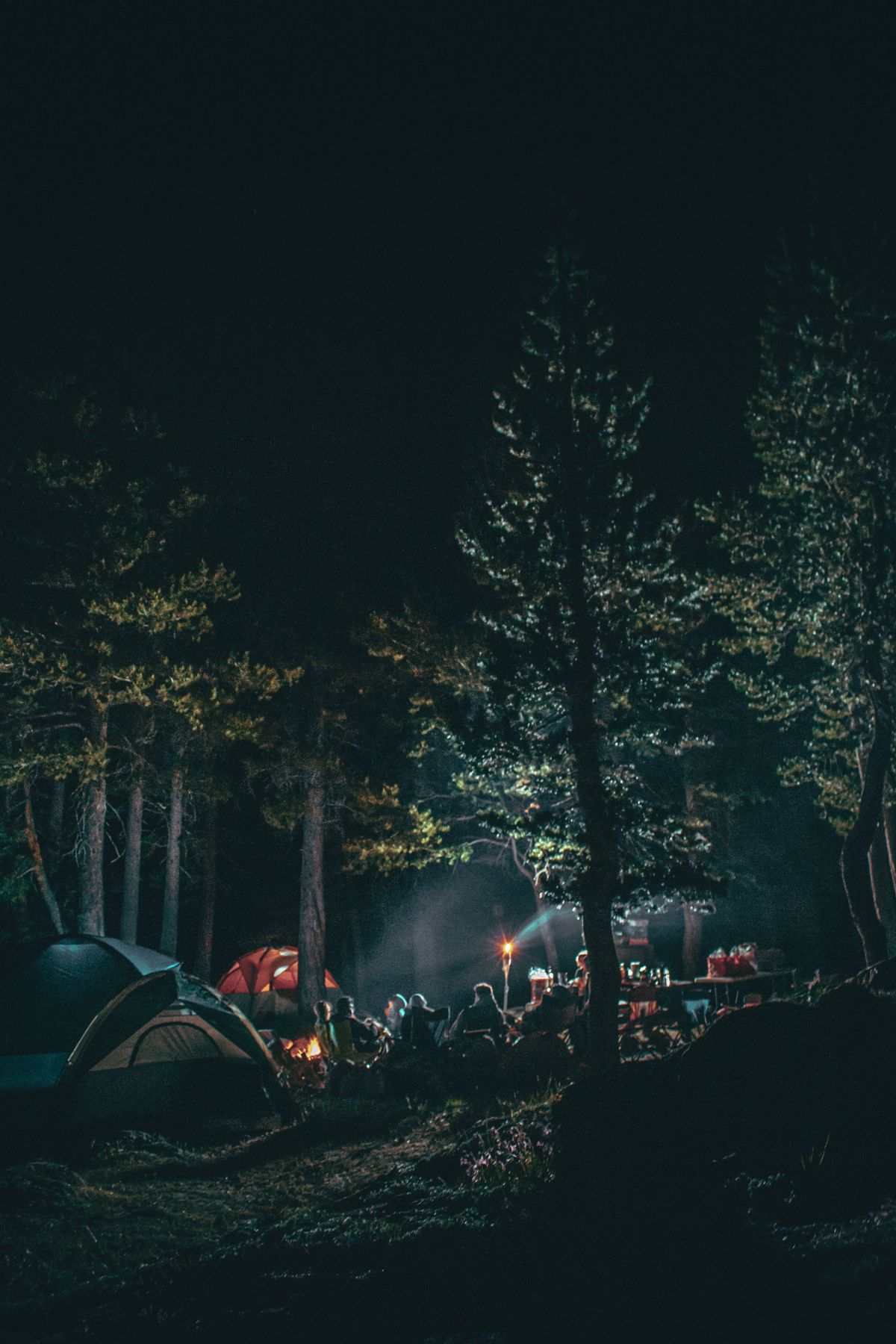
Colorado is covered by seven national forest units: the Arapaho and Roosevelt; Pike-San Isabel; White River; Grand Mesa, Uncompahgre and Gunnison; San Juan; Rio Grande; and Medicine Bow-Routt. Much of that land is open to dispersed camping: you find an existing, previously used spot near a forest road, set up camp and pay nothing. It is the most flexible way to camp in the state and one of the best ways to find solitude. It is also where campers most often break rules without meaning to, which is why several popular areas near the Front Range have tightened restrictions.
The rules that apply almost everywhere
Each national forest publishes its own dispersed camping guidelines and orders, and the details differ. These are the common threads across Colorado forests:
- Stay limitsTypically 14 days, after which you must move a set distance and may face a longer cap in a given window.
- Distance from waterCommonly at least 100 feet from lakes, streams and wet areas.
- Vehicle accessDrive only on open routes shown on the Motor Vehicle Use Map; off-road parking for camping, where allowed, is limited to a set distance, often 300 feet.
- Existing sitesUse spots that are already impacted rather than creating new ones.
- Unattended gearLeaving camping equipment unattended beyond a short period, such as 24 hours in some districts, is prohibited.
- Pack it outThere is no trash service. Everything you bring leaves with you.
How stay limits differ by forest
| Forest or district | Published rule |
|---|---|
| White River National Forest | 14 days in any 30-day period, with shorter limits in some areas; camp at least 100 feet from lakes and streams |
| Grand Mesa, Uncompahgre and Gunnison | 14 days at a site, then move at least 3 miles; no more than 28 days in a 60-day period; stay 100 feet from water and from roads or system trails |
| Arapaho and Roosevelt (Canyon Lakes district guide) | 14 days at one site and 28 days total, with a 3-mile move after 14 days; 100 feet from water |
| Pike National Forest districts | No more than 14 days within a continuous 30-day period in the same 20-mile radius under a forest order |
These examples come from forest publications of different dates. Rules are updated, so read the current version from the ranger district before your trip.
Motor Vehicle Use Maps
The Motor Vehicle Use Map, or MVUM, is the legal map of which roads and trails are open to which vehicles, and in many forests it also shows where you may drive off a road to reach a dispersed campsite. MVUMs are free, available online and at forest offices, and can be loaded into many phone mapping apps. A road that looks drivable on a satellite image may be closed to vehicles, and driving or camping on a closed route can bring a citation. Some corridors, such as parts of the Gunnison National Forest near Gothic and Taylor Park, prohibit any off-road travel to camp.
Designated-site areas near Denver
Heavy use has pushed some districts to replace open dispersed camping with numbered, designated sites. The South Platte Ranger District of the Pike National Forest, southwest of Denver, is the best-known example.
- Dispersed camping there is allowed only at designated, signed sites marked with a "P" for parking and a tent symbol.
- The district lists Buffalo Creek, Cedar Mountain, Geneva Creek, Hall Valley, Matukat and the Rampart Range Recreation Area among its primary dispersed camping areas.
- Some Rampart Range sites require reservations on Recreation.gov, and the Rampart Range road closes to passenger vehicles each winter from December 1 to April 1, sometimes longer.
- Dispersed camping is not allowed along the South Platte River corridor from Cheesman Canyon to Foxton Road or along the Guanella Pass Scenic Byway.
- Campfires are allowed only at designated overnight sites, when fire restrictions permit.
Expect similar systems to spread. If you see numbered posts, camp only at a post.
Choosing and setting up a good site
- Arrive early. Popular forest roads within two hours of Denver fill by Friday afternoon in summer.
- Use an existing site with a hardened tent area and, where allowed, an existing fire ring. Do not build new rock rings.
- Check the distances. Keep tents and vehicles back from water, trails and the road as your forest requires.
- Look up. Avoid camping under dead or beetle-killed trees, which can fall without warning, especially in wind.
- Look at the ground. Stay out of dry washes and low spots that could flood in a thunderstorm.
- Store food properly. Use a hard-sided vehicle or bear-resistant container; see our bear safety guide.
Water, waste and fire
Water
Bring all the water you need for drinking and cooking. Natural sources must be treated; the CDC recommends boiling as the most reliable method, for three minutes at elevations above 6,500 feet. Our camping safety guide covers filters and chemical treatments.
Human waste
With no toilets, use a portable toilet system or dig a cathole six to eight inches deep at least 200 feet from water, camp and trails, as Leave No Trace recommends. Pack out toilet paper in a sealed bag. In some heavily used areas, packing out all waste is strongly encouraged.
Campfires
Dispersed campfires are often the first thing banned when fire danger rises; under typical Stage 1 restrictions, fires are allowed only in agency-installed grates in developed sites, which rules out dispersed camps. Check current restrictions every time, keep fires small, never leave them unattended and drown them until cold. See our fire restrictions guide.
Dispersed camping in fall
From September into November, many forest roads fill with hunting camps during big game seasons. Dispersed camping is still allowed, but wear bright colors and expect company. Our hunting season camping guide explains how to plan around it.
Frequently asked questions
Is dispersed camping free in Colorado?
Usually, yes. Most dispersed camping on national forest and BLM land is free and does not require a reservation. A few heavily used areas have moved to designated sites, and some sites in places like the Rampart Range Recreation Area require reservations on Recreation.gov.
How long can you dispersed camp in one spot in Colorado?
It depends on the forest. The White River National Forest uses 14 days in any 30-day period. The Grand Mesa, Uncompahgre and Gunnison forests allow 14 days at a site, then require a move of at least three miles, with a 28-day cap in 60 days. Check the specific forest's rules before you go.
How far from water do you have to camp?
Colorado national forests commonly require dispersed camps to be at least 100 feet from lakes, streams and other water sources, and some also require distance from trails and roads. Leave No Trace recommends 200 feet from water where possible.
Can I drive anywhere to find a dispersed campsite?
No. You may drive only on routes shown as open on the forest's Motor Vehicle Use Map, and many forests allow pulling off a road to camp only within a set distance, commonly up to 300 feet, where that is permitted. Some roads prohibit any off-road parking.
Sources
- White River National Forest
- Grand Mesa, Uncompahgre and Gunnison National Forests
- Pike-San Isabel NF: South Platte Ranger District
- Pike National Forest camping order (PDF)
- USDA Forest Service Rocky Mountain Region: forests and grasslands
- USDA Forest Service Rocky Mountain Region FAQs
- Leave No Trace: 7 Principles
- BLM: Camping on public lands
Checked against official agency sources in October 2026. Fees, reservation windows, fire orders and closures change often; the agency pages linked above are always the final word. See how we research.